

A Few Words of Encouragement to Pastors for Handling Anxiety and Depression in Your Congregation
Anxiety and depression do not first or foremost belong to the fields of sociology, psychology, or psychiatry. They belong to humanity.


Anxiety and depression do not first or foremost belong to the fields of sociology, psychology, or psychiatry. They belong to humanity.
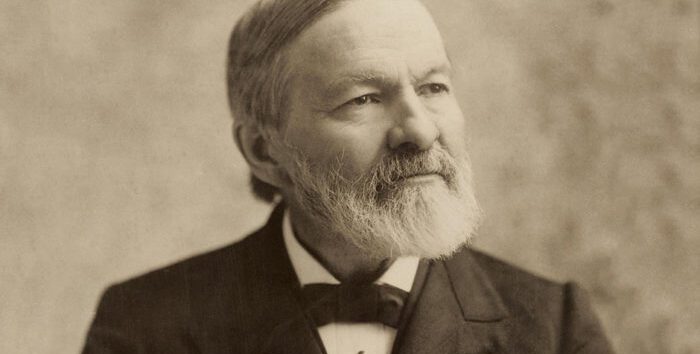
Beginning in 2022, when I began research for a biography of John Albert Broadus, until its publication earlier this year, it was my pleasure to spend un-numbered hours with the Southern Seminary founder. Looking back, here are five ways the experience has impacted my ministry.

Have you noticed where Mary, the mother of Jesus, appears in John’s Gospel? Given the legends that some believe about her (immaculate conception, bodily assumption, co-redemptrix, special appearances), in this short piece I want to observe where she appears in John’s Gospel and suggest some theological conclusions from those appearances.

THE BIBLE PRESENTS US WITH A UNIQUE VIEW OF OUR HUMAN SELVES, POINTING US ON THE WAY OF EMBODIED HOLINESS.

A FAITHFUL MISSIONARY MUST HAVE THESE FIVE THINGS.

The critical component of the ancient text to be borne into the lives of the modern audience in a sermon in the context of their worship of God is the theology of the pericope, or what the author is doing with what he is saying in the particular slice of the biblical text chosen for the sermon.

Believers ought to be living new lives of holiness, commensurate with their cured status in Christ.

My theology diploma from Union University is covered with smudgy black fingerprints. It seems that the snacks for our upcoming Vacation Bible School had been piled on the stovetop in our rural church’s fellowship hall.

As the old saying goes, biblical exegesis “is both a science and an art.” There are necessary skills and tools the biblical exegete needs to be able to give himself the best opportunity to understand the author’s intent

Although there is a legitimate place for academic study of the spiritual disciplines, it is more urgent that we practice them and practice them for the right reasons.

We not only need help in understanding what our Bibles teach us; we need flesh-and-blood models for how put that teaching into practice.
It is one thing to throw out a theory articulating why ancient ecclesial apologetics might be relevant today, but it is quite another to provide fellow apologists with a path that guides them to use this method today. Still, any theory of apologetics remains incomplete until Christians are able to put it into practice in their present lives.

So how can we as believers be more faithful in our witnessing? Using the image of a body, I want to reflect on 5 aspects of faithful witnessing.


